




Which Pakistani websites and applications are the best for comparing prices?
Price comparison also educates. AI suggestions based on family size or region-specific offers could be added in the future to further customize the trip. For the time being, they provide instant benefits like time savings, money retention, and confidence. In order to attract discerning customers, digital storefronts are encouraged by the healthy competition created by this transparency to continuously optimize their operational structures, enhance customer support, and maintain competitive prices.
Value-conscious households now frequently use digital tools to compare daily necessities, clothing, and lifestyle items to make sure that no expense is overstated. The range of what can be methodically compared is expanding daily as digital grocery services and direct-to-consumer fashion brands quickly penetrate medium-sized cities. It works by helping people compare the same product across stores, marketplaces, and sellers before they buy, so they can spot better value, not just a lower tag In Pakistan, this often starts online.
Adopting price comparison is a sign of the progressive mentality that is currently prevalent in Pakistan. A phone charger, for example, may cost one amount in a local shop, another on an e-commerce site, and a different price through a seller on Instagram or WhatsApp. That spread gives buyers room to choose based on price, trust, delivery speed, and warranty rather than price alone The process is simple in spirit, even if the market can feel busy. It honors resourcefulness, a quality that is ingrained in our culture of astute negotiating and neighborhood support.
In Pakistan, those details matter a lot. Try one of these platforms the next time you need something. You search for a product, compare the listed price, and then look at the details behind it. A cheaper offer may stop looking attractive once extra charges appear, while a slightly higher vivo y21d price in pakistan 6 128 may better if the seller includes delivery or after-sales support Local buying patterns also shape how comparison works. Many people still shop in physical markets, especially for clothes, home goods, and electronics.
In those places, price comparison often happens by walking from one shop to the next, asking for quotes, and negotiating. This is especially common in major trading areas in cities like Karachi, Lahore, and Islamabad, where competition is strong and buyers often have several options within a short distance Digital tools have made the process faster. People check shopping sites, social media sellers, and delivery apps to see how prices differ for items like mobile phones, groceries, clothing, appliances, and cosmetics.
This is helpful in Pakistan because it saves travel time and makes it easier to see how prices change between cities, sellers, and seasons. Shipping charges, cash-on-delivery fees, return rules, and whether an item is original or a copy can change the real cost.
Related products
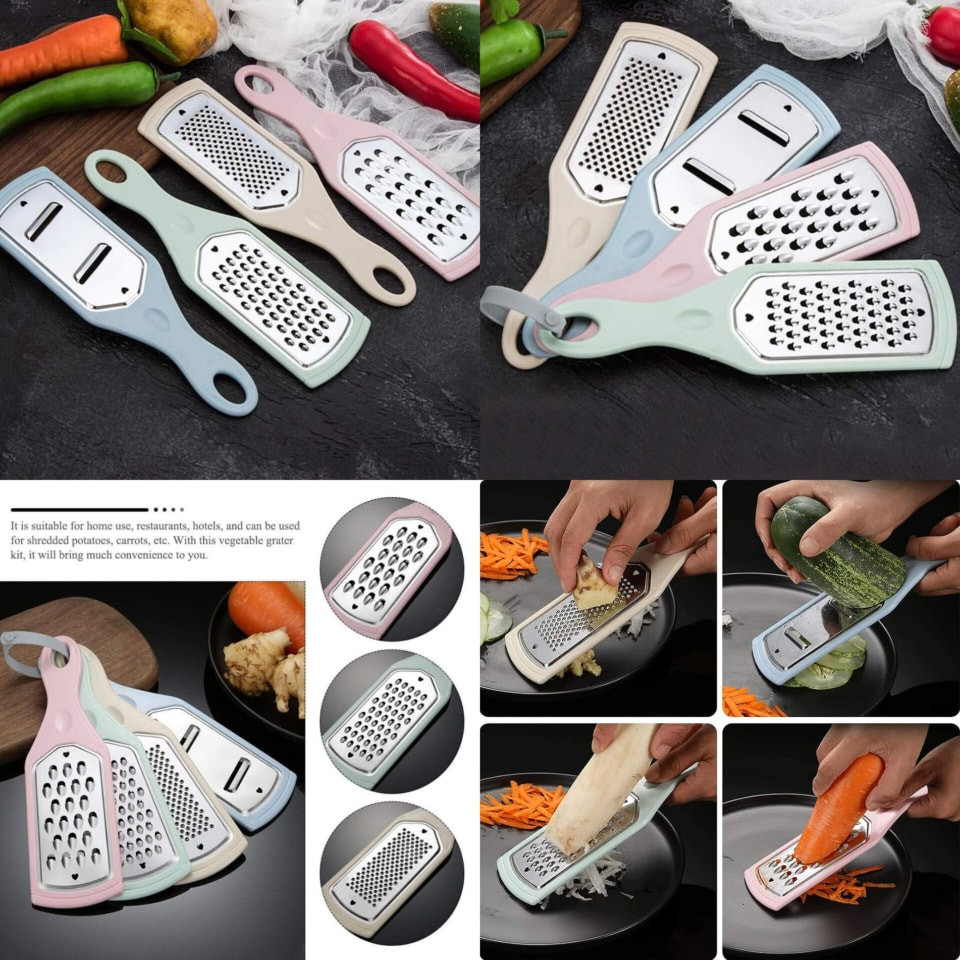
4 Piece Vegetable Grater Set
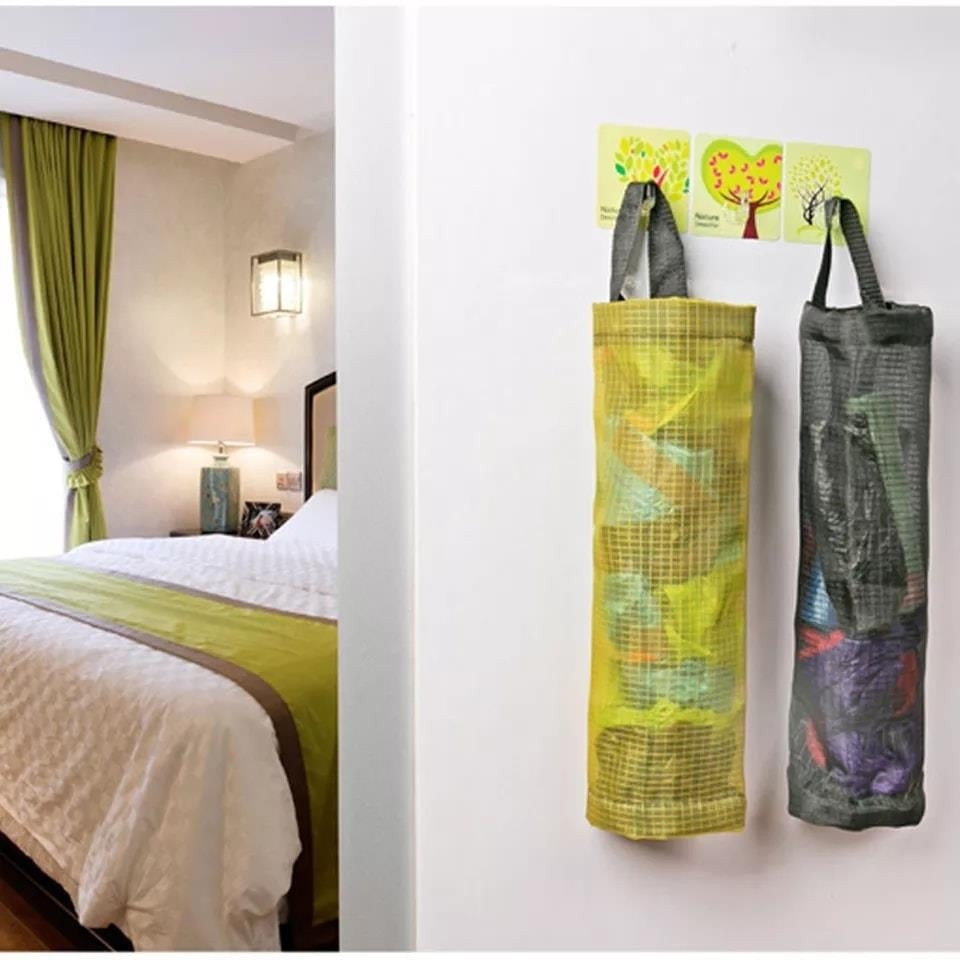
Kitchen Storage Bag

Silicone Oiler with Brush
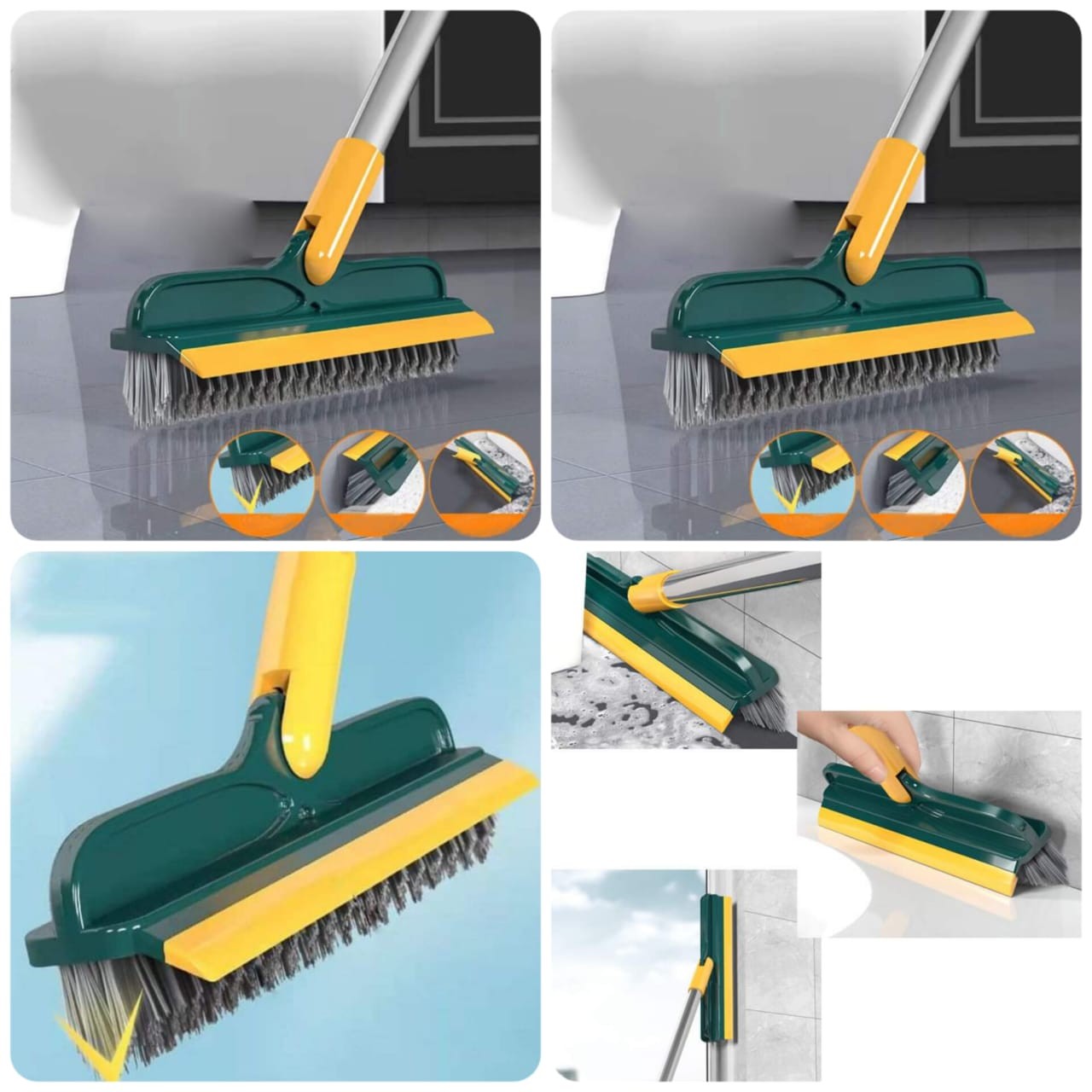
2 In 1 Floor Scrub Brush
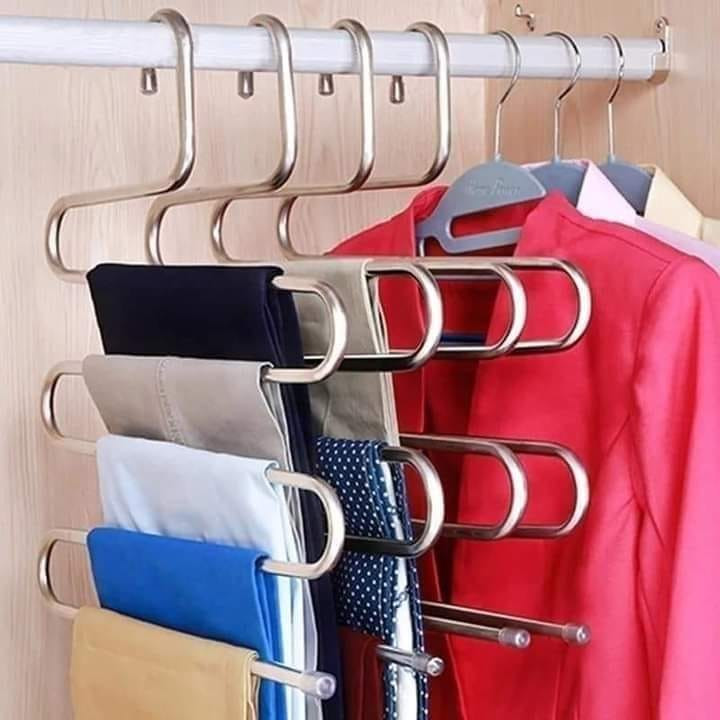
5-layers Clothes Hanger Rack
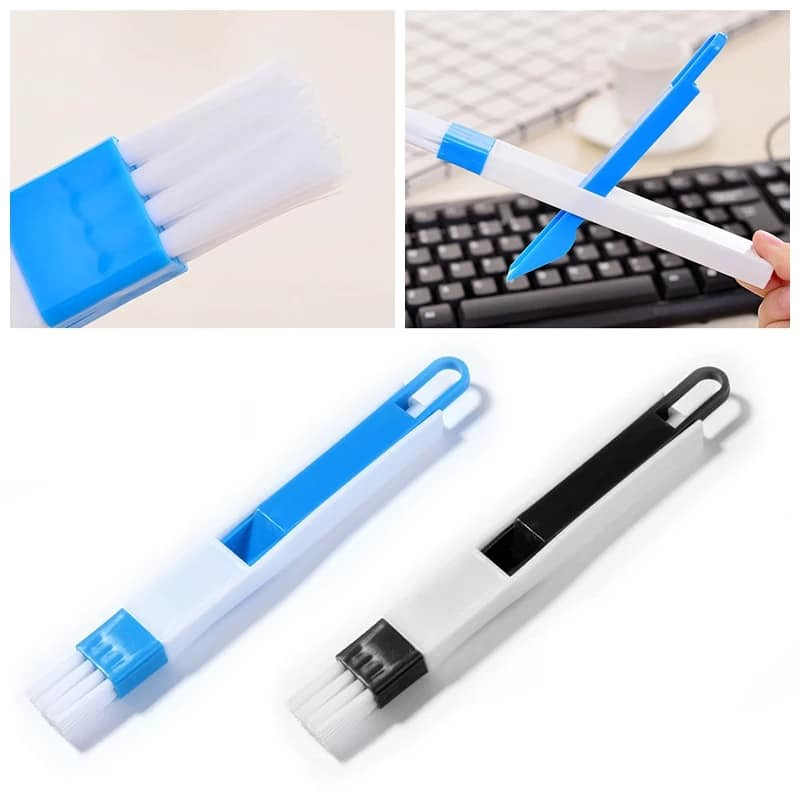
Dust Cleaning Brush
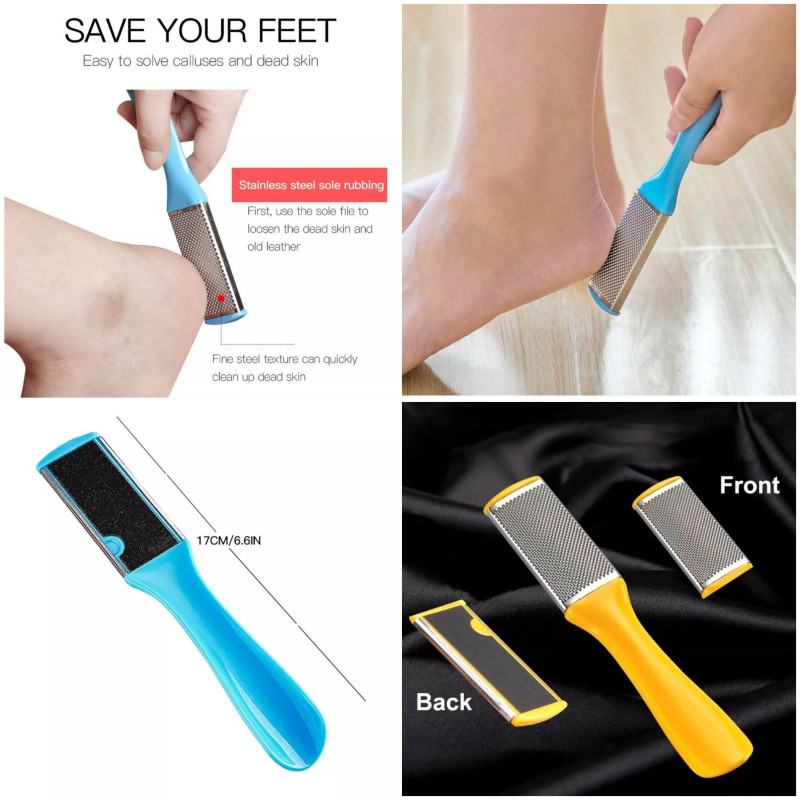
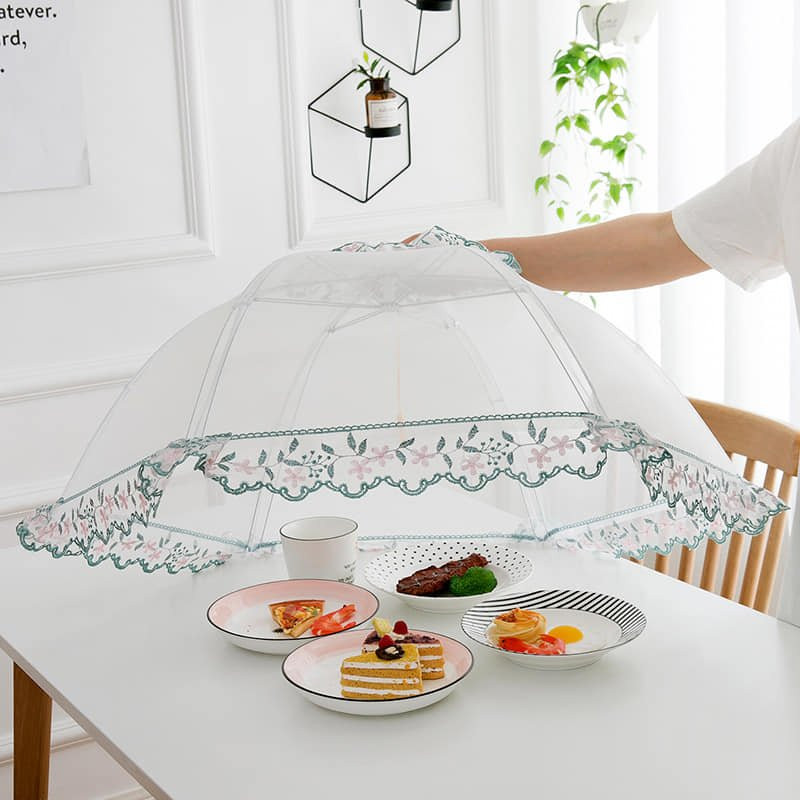
Cover for food
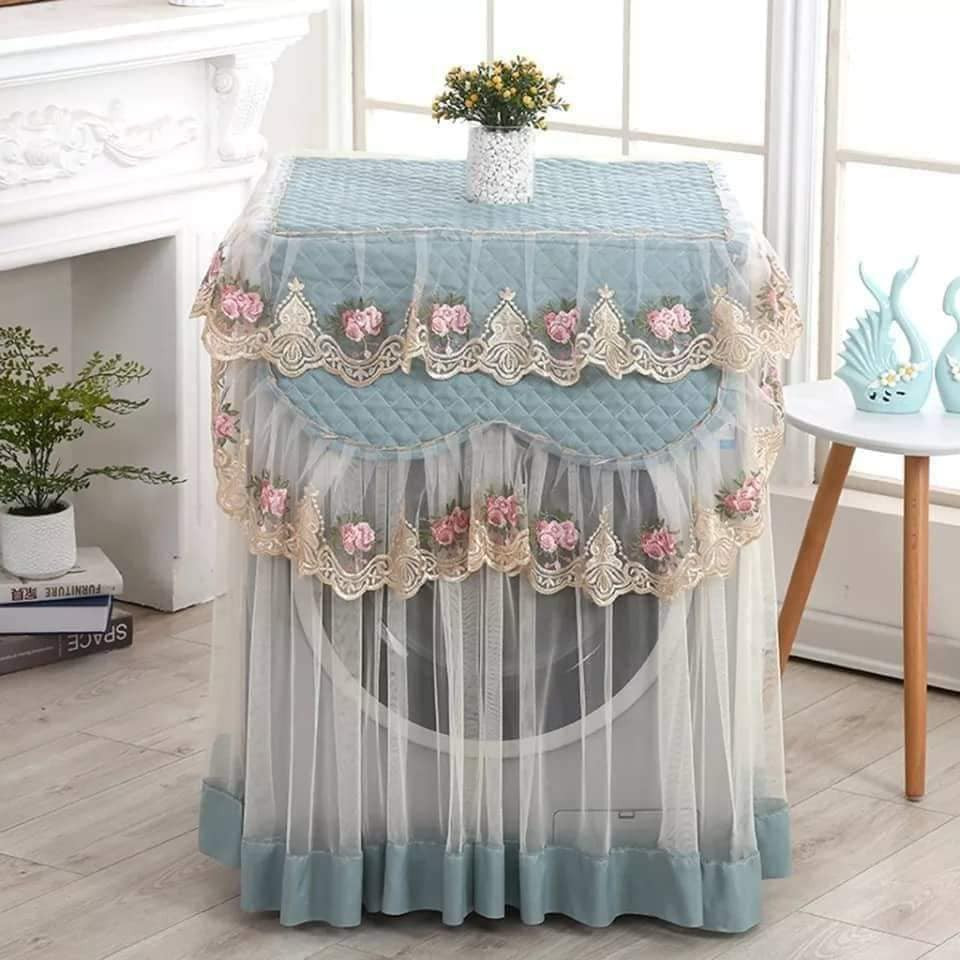

In Bangladesh, Red Rose Collection is the leading E-commerce that offers convenience in buying and selling items all over the country. Offering cash on home delivery options and being committed to offering quality services comes forth as a promise from the outset of its journey.